
The Legacy of Women’s Service Clubs in the U.S.: A Tradition of Leadership, Community, and Empowerment
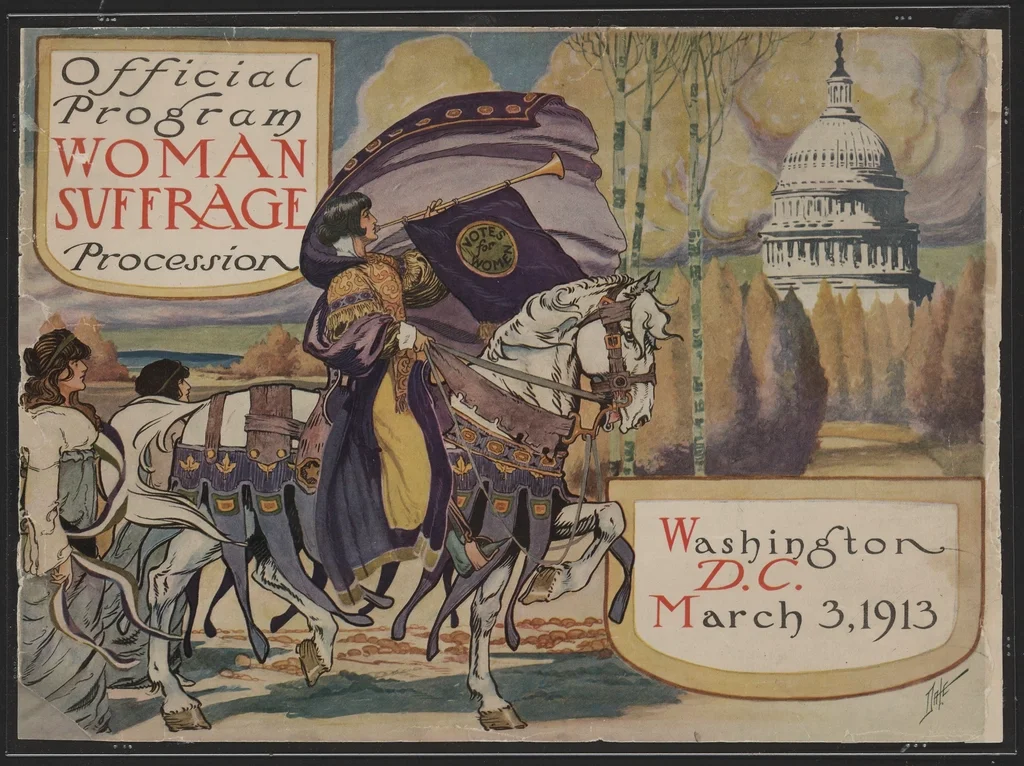
Women’s service clubs have been a driving force for social change, advocacy, and community engagement throughout U.S. history. From the late 19th century to today, these organizations have provided women with a platform to lead, serve, and shape the cultural and civic landscape of their communities. Pasadena, California, home to the Pasadena Women’s Club, is a prime example of how these clubs have contributed to local and national social progress.
The Rise of Women’s Service Clubs
The late 19th and early 20th centuries saw an explosion of women’s clubs across the country. With limited access to formal political power, women formed these organizations as a means to influence social policy, promote education, and uplift their communities. Groups like the General Federation of Women’s Clubs (GFWC), founded in 1890, became national leaders in advocating for public libraries, labor laws, and women’s suffrage.
A Commitment to Education and Social Reform
Women’s service clubs were instrumental in advancing education, championing literacy programs, and establishing scholarships. Many clubs played a crucial role in the Progressive Era, advocating for improved working conditions, child welfare laws, and public health initiatives. Their work in lobbying for libraries and schools left a lasting legacy in cities across the nation.
The Pasadena Women’s Club: A Local Force for Change
As part of this nationwide movement, the Pasadena Women’s Club has exemplified the values of leadership and service for decades. Founded with a mission to support education, the arts, and community well-being, the club has contributed to local charitable efforts, hosted cultural events, and provided resources for women’s empowerment. Today, the Pasadena Women’s Club continues to uphold these traditions, ensuring that service and civic engagement remain at the heart of the community.
Interested in joining the PWC? Please visit our Membership Page or email pasadenawomensclub@gmail.com for more information.
Advancing the Arts and Culture
Beyond philanthropy and advocacy, women’s service clubs have also been patrons of the arts. The Pasadena Women’s Club, like many of its counterparts, has supported local artists, theater productions, and public art initiatives. Through partnerships with cultural institutions, these clubs have played an essential role in preserving and promoting artistic expression.
Women’s Clubs and the Fight for Equal Rights
During the 20th century, women’s service organizations became strongholds of activism, supporting women’s suffrage, civil rights, and gender equality. Groups like the League of Women Voters emerged from service clubs, proving that civic engagement and advocacy are natural extensions of volunteerism. The Pasadena Women’s Club has similarly stood as a pillar of empowerment, fostering leadership among women and promoting civic responsibility.
Modern Women’s Service Clubs: Continuing the Legacy
Today, women’s service clubs continue to thrive, adapting to modern needs while staying true to their founding principles. The Pasadena Women’s Club, for example, remains active in mentoring programs, local philanthropy, and advocacy initiatives. Nationally, organizations like Soroptimist International and the Junior League continue to shape the future by addressing contemporary social challenges.
Conclusion: A Legacy of Service and Empowerment
Women’s service clubs have long been more than just social organizations—they are engines of change. Through education, cultural enrichment, and civic activism, these clubs have left an indelible mark on American society. The Pasadena Women’s Club, as part of this storied tradition, continues to inspire future generations to lead with compassion and a commitment to community.
Have you or someone you know been impacted by a women’s service club? Share your experiences and reflections in the comments below!